


Americans now spend an average of 5 hours and 16 minutes on their phones every single day, a 14% jump from the previous year. The average person checks their phone 58 times daily. Nearly half of all users scroll through their phones out of pure habit, with no goal and no specific reason. And yet the standard advice of try harder, use willpower, delete the apps, does not stick for most people. That is because it misdiagnoses the problem.
A behavioural loop is a pattern of cue, routine, and reward that gets reinforced through repetition until it runs automatically, without conscious thought. Your phone has become the centrepiece of dozens of these loops, and understanding that is the starting point for changing it.
In this guide, we break down the psychology behind compulsive phone checking, the specific features designed to exploit it, and the practical steps that actually reduce it in 2026.
How to Stop Checking Your Phone: The Numbers
Key statistics on compulsive phone use and its impact on attention and health.
48%
69%
58×
Why You Keep Checking Your Phone Even When You Know You Should Not
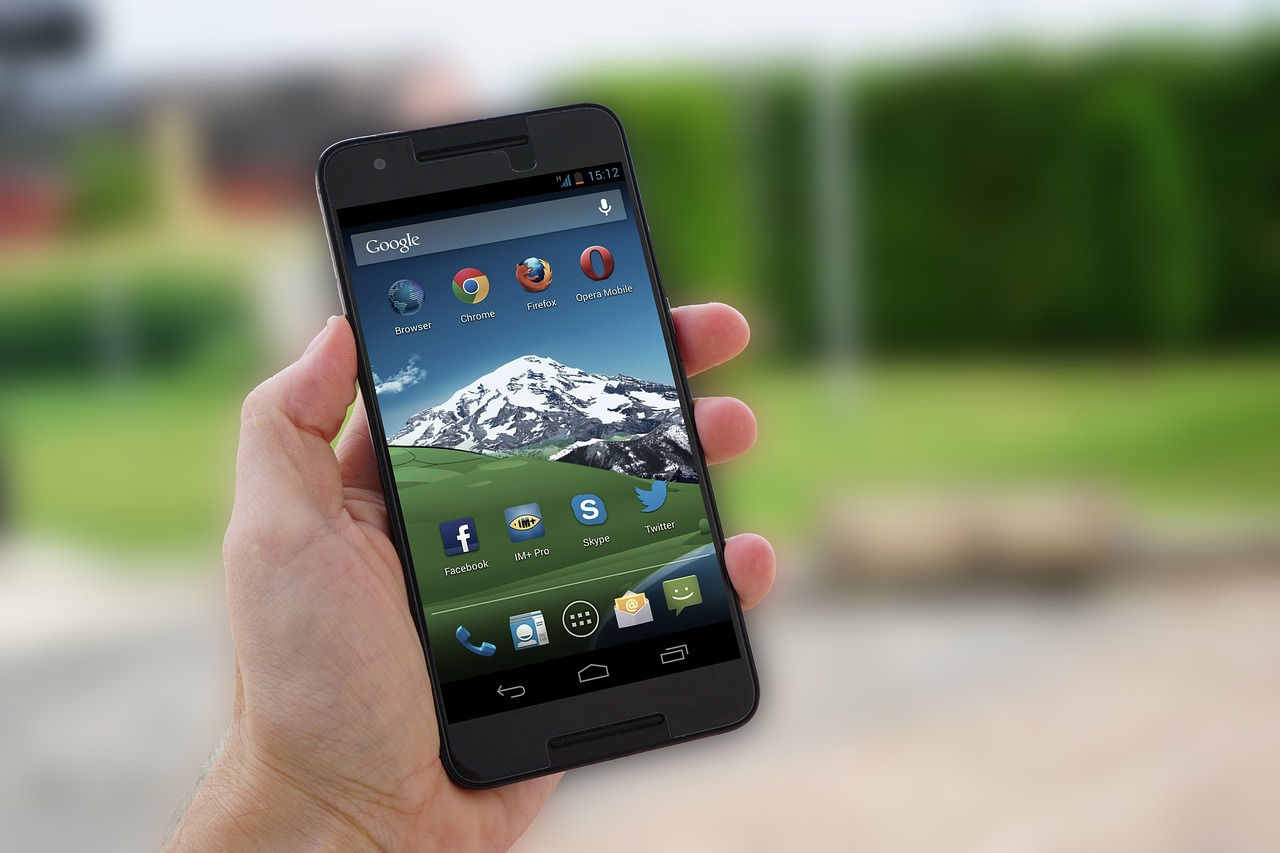
Compulsive phone checking is not a character flaw. It is what happens when a piece of software built by teams of behavioural engineers is placed in the hands of someone who never agreed to play that game. The mechanism is variable reward, the same psychological principle that makes slot machines difficult to walk away from.
Variable reward is a reinforcement pattern where the reward is unpredictable. Sometimes you pick up your phone and there is something interesting. Sometimes there is nothing. That unpredictability is the mechanism. A predictable reward becomes routine and loses its pull. An unpredictable one keeps you coming back.
Every notification, every scroll, every new post is a potential reward. You do not know if this refresh will bring something good. That uncertainty makes the checking compulsive. Psychologist B.F. Skinner demonstrated this effect with pigeons in the 1950s. The design teams at social media companies studied it and built it directly into their products.
There is a second layer: social anxiety. When a message arrives, leaving it unread feels vaguely threatening. What if it is urgent? What if someone thinks you are ignoring them? What if you miss something important? That low-level threat activates the same checking behaviour. The phone is an anxiety management tool that creates more of the anxiety it is supposed to relieve.
48% of users scroll through their phones out of pure habit or muscle memory, with no goal and no specific reason, a Priori Data survey found. The checking is not deliberate. It just happens. That is an important distinction: you are not weak-willed. You are responding to an environment that was deliberately designed to produce exactly this behaviour.
What Your Phone Is Actually Doing to Your Attention
Your attention is not infinite. Every interruption, even a brief one, costs more than the seconds it takes to glance at a screen. The damage is in what researchers call the resumption lag: the time it takes your brain to get back to what it was doing at the level it was doing it before.
Attention residue is the mental carry-over from an interrupted task. Even after you put the phone down, part of your brain continues processing whatever you just saw, reducing the quality of focus available for the task in front of you.
Studies from Professor Gloria Mark at the University of California Irvine found it takes an average of 23 minutes to return to a task at full focus after an interruption. If you are checking your phone every 10 to 15 minutes during a work session, you are never reaching the level of focus where your best thinking happens. You are spending your entire day in a shallow cognitive state.
The physical health dimension is significant too. 69% of Americans report experiencing a phone-related physical health issue in the past year, ranging from eye strain and neck pain to disrupted sleep and elevated anxiety. The sleep impact alone compounds every other effect: poor sleep reduces the prefrontal cortex’s ability to regulate impulse control, including the impulse to check the phone.
Heavy phone use is better described as a systems problem than a personal failing, while occasional phone use is a perfectly healthy tool. The line between them is less about time and more about who is in control of when and how you pick it up.
Step One: Find Out What You Are Actually Dealing With
Before you change anything, spend one week tracking your usage honestly. Both iOS and Android have built-in screen time tools that show you exactly how much time you spend in each app and how many times you pick up your phone each day. Look at these numbers without judgment.
Look for three things in your usage data:
- Check your top three apps by time. These are usually the ones eating the most hours. For most people it is some combination of social media, YouTube, messaging apps, and news.
- Check your total daily pickups. This is the number that reveals the compulsive checking pattern, independent of how long each session lasts.
- Check the time of day you use the most. Most people have a distinct peak window, often morning in bed, during commutes, and late evening. Knowing yours tells you where to focus first.
Do not judge the numbers. Just look at them. The goal of this step is to get an accurate baseline so that any changes you make are measurable. Most people who do this for the first time find the total is higher than they estimated, often by 40 to 60%.
A caveat: using your phone to track your phone usage is a bit like using a casino’s loyalty card to manage your gambling. The tool is useful, but be aware that opening the screen time app can itself become a checking habit. Look at it once a day, not ten times.
Step Two: Remove the Triggers, Not Just the Apps
Most advice on reducing phone use focuses on deleting apps or setting time limits. That is treating the symptom. The cues that trigger compulsive checking are the real target.
The most powerful single change most people can make is removing their phone from their bedroom at night. Not silencing it. Not flipping it face down. Removing it entirely. Charging it in another room eliminates the morning scroll before you have even fully woken up, and the evening scroll that delays sleep.
Six cue-removal strategies that work in practice:
- Turn off all non-essential notifications. Keep calls and calendar alerts. Turn off everything else. Every badge, buzz, and banner is a cue. Removing them removes the trigger entirely. You can check apps on your schedule rather than theirs.
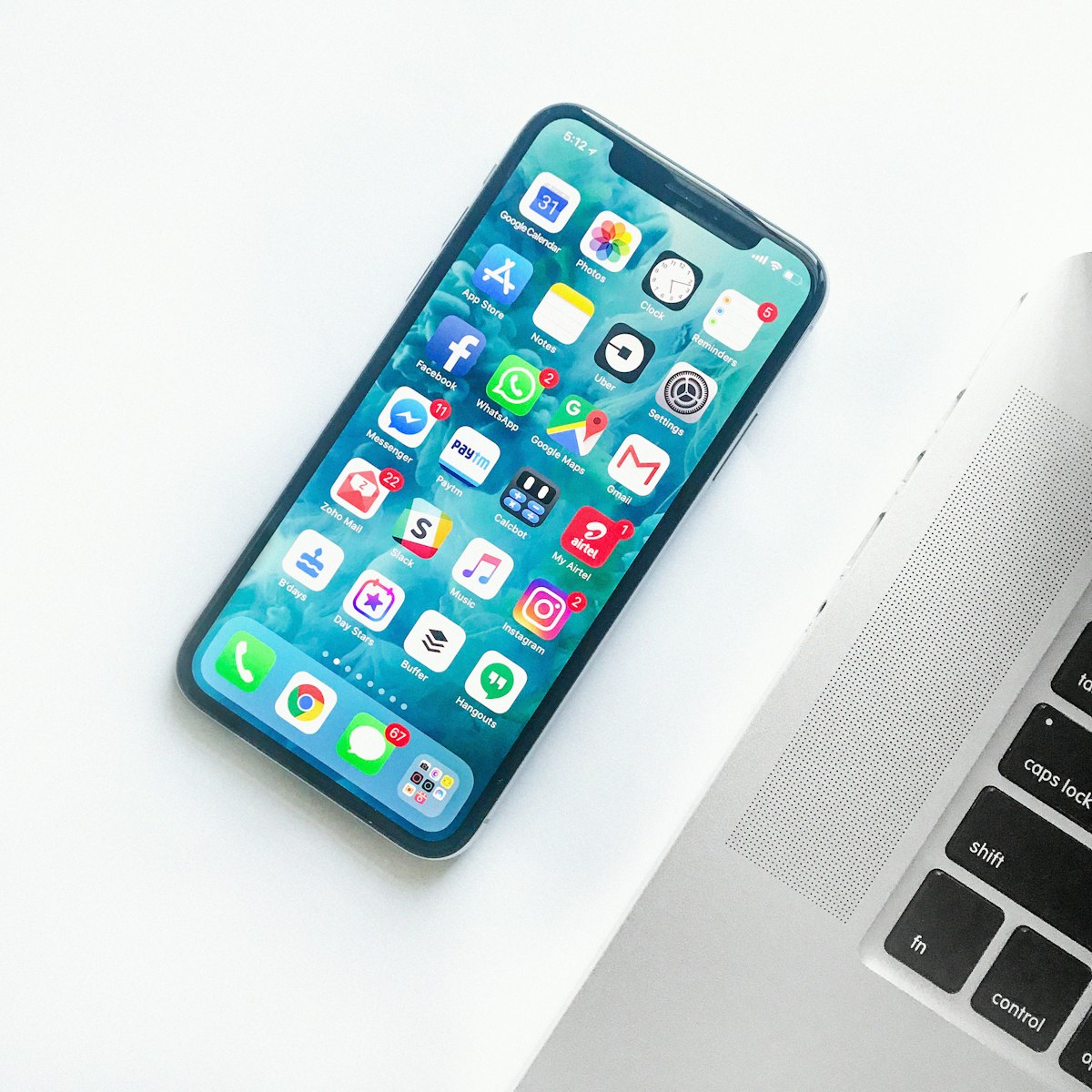
- Move social apps off your home screen. Put them in a folder on the second or third page. The friction of finding them is minor, but it breaks the automatic muscle-memory tap. You have to decide to open them rather than doing it reflexively.
- Use a physical alarm clock. This single change removes the main justification most people have for keeping their phone in the bedroom. It costs roughly £10 and pays back in reduced morning scrolling immediately.
- Create phone-free zones such as the dinner table, the first 30 minutes after waking up, and any meeting or focused work session. Specify the zone and the rule in advance. Vague intentions to “use it less” do not work. Specific rules do.
- Set your screen to greyscale. The colour contrast in apps, especially the red notification badges, is part of what makes them so visually compelling. A greyscale screen makes the phone functionally useful without being visually stimulating.
- Delete the apps you use purely out of habit. If you have not opened an app with genuine intent in the last two weeks, delete it. You can reinstall it in 30 seconds if you actually need it. The barrier to reinstalling is enough friction to make the habit conscious again.
Step Three: Replace the Habit, Not Just Restrict It
Restriction alone rarely works long-term. The impulse to check your phone is filling a real psychological need: boredom relief, social connection, anxiety reduction, stimulation. If you remove the phone without replacing what it was providing, the urge does not go away. It finds another outlet or just intensifies.
Habit substitution means replacing an unwanted routine with a different response to the same cue. The cue and the reward stay the same; only the routine changes.
The goal is not to eliminate every impulse to reach for your phone. It is to build a different automatic response when that impulse arrives. That takes repetition, not willpower. For a deeper look at the psychology of habit loops and why willpower-based approaches consistently fail, our guide on why you procrastinate covers the same emotion-regulation mechanisms behind compulsive avoidance.
What to replace the checking habit with depends on the cue:
- Checking out of boredom is common, so keep a book, a notepad, or even a simple puzzle nearby. Anything that engages your hands and mind works. Boredom is actually valuable: it is when the brain consolidates thinking and generates ideas. Let it happen.
- Checking to reduce anxiety means the anxiety is usually about missing something. A concrete rule helps: designate two or three specific times a day to check messages and email. Outside those windows, it stays closed. Knowing there is a designated check-in time reduces the urgency of checking compulsively.
- Checking as procrastination means this is the most common type. The phone is the path of least resistance away from a task you are avoiding. The fix here is the task itself, not the phone. Use a timer, break the task into a smaller first step, and address why the task feels aversive rather than just removing the phone.
- Checking out of social reflex happens in social situations, especially with people you know well, the phone often comes out as a filler during awkward silences. This one takes deliberate effort. Leaving it in a bag or another room when spending time with people is the most effective version of this rule.
What Actually Sticks: The Long-Term Picture
The people who successfully reduce their phone use long-term do not do it through iron discipline or digital detox weekends. They make structural changes that remove the path of least resistance, then build routines around the new structure until the old habits fade from lack of reinforcement.
The goal is not zero phone use. It is intentional phone use. There is a real difference between picking up your phone because you decided to call someone, check directions, or read an article you saved, and picking it up because you felt an undefined pull and acted on it without thinking. The first is a tool. The second is the problem.
The American Psychological Association’s guidance on technology use is consistent with what habit researchers have found: environment design outperforms motivation every time. Build the environment first, then let motivation follow, not the other way around. If you are also building better digital habits around your workspace, our guide on the best monitors for working from home covers how the right screen setup reduces eyestrain and the temptation to keep your phone nearby as a secondary screen.
A few things that consistently help over the long term:
- Audit your apps quarterly. Every few months, go through your phone and delete anything you do not use intentionally. Apps accumulate. Notifications creep back on. Staying on top of this is an ongoing maintenance task, not a one-time fix.
- Track your weekly total, not your daily total. Daily totals fluctuate too much to be useful as feedback. Weekly totals give you a cleaner signal about whether your overall relationship with the phone is improving.
- Tell the people around you what you are doing. If you set a rule about phone-free dinners or no phones before 9am, and the people you live with know about it, the social accountability makes it significantly more likely to hold.
- Accept that some days will be worse than others. A stressful day, a long commute, a boring meeting. These are the moments when compulsive phone use spikes. It does not mean the system has failed. It means you are human. The system exists for the average day, not just the good ones.
The research on habit change is consistent: the environment matters more than motivation. A phone physically in another room beats a phone in your pocket no matter how strong your intentions are. Build the environment first. The habits follow.
FAQ: Stopping Compulsive Phone Checking
How long does it take to break a phone checking habit?
Habit formation research suggests most behavioural habits become automatic within 60 to 90 days of consistent repetition. Phone habits are particularly sticky because they involve multiple apps, multiple cues, and multiple reward types. Expect meaningful improvement within two to four weeks of implementing structural changes, but do not expect the urge to disappear entirely for several months.
Should I do a digital detox first?
A digital detox is a period of deliberate, total abstinence from screens and devices, usually for a weekend or a week. The evidence for these is mixed. They can help reset your sense of what life without constant connectivity feels like, a useful reference point. But because they do not address the underlying cues and habits, most people return to the same patterns within a few weeks of ending the detox. Structural change is more durable than abstinence.
Do screen time limits actually work?
They work for some people and not at all for others. The key variable is whether the limit creates enough friction to interrupt the automatic behaviour without being so restrictive it becomes a constant source of frustration. Soft limits with easy overrides tend to fail because the motivated override becomes its own habit. Hard limits with genuine barriers work better, but the person setting them has to want them to work.
Is it bad to check your phone first thing in the morning?
Yes, and for a specific reason. The first 30 to 60 minutes after waking are when your brain transitions from a theta state, the slow brainwave state associated with deep rest, to the alert beta state of active thinking. Checking your phone during this window immediately floods your attention with external inputs (notifications, messages, news) before you have set any internal priorities for the day. This makes you reactive rather than intentional from the first minutes of waking. Avoiding the phone for the first 30 minutes after waking is one of the highest-leverage changes you can make.
Conclusion
Checking your phone 100 times a day is not a quirk or a minor inefficiency. It is a pattern that erodes your ability to concentrate, disrupts your sleep, and keeps you in a constant low-level state of distraction and anxiety. It was engineered to be this way, which means solving it requires engineering your environment in the other direction.
Start with one structural change this week: remove your phone from your bedroom tonight. Then turn off every notification except calls and calendar. Those two changes alone will reduce your daily pickups significantly. From there, work through the cue removal and habit substitution steps above. Track your weekly totals to measure progress. And be patient, as the habits were built over years of daily reinforcement, and they will take months of consistent friction to unwind.
Related links:
How to Use AI to Do 3 Hours of Work in 30 Minutes