

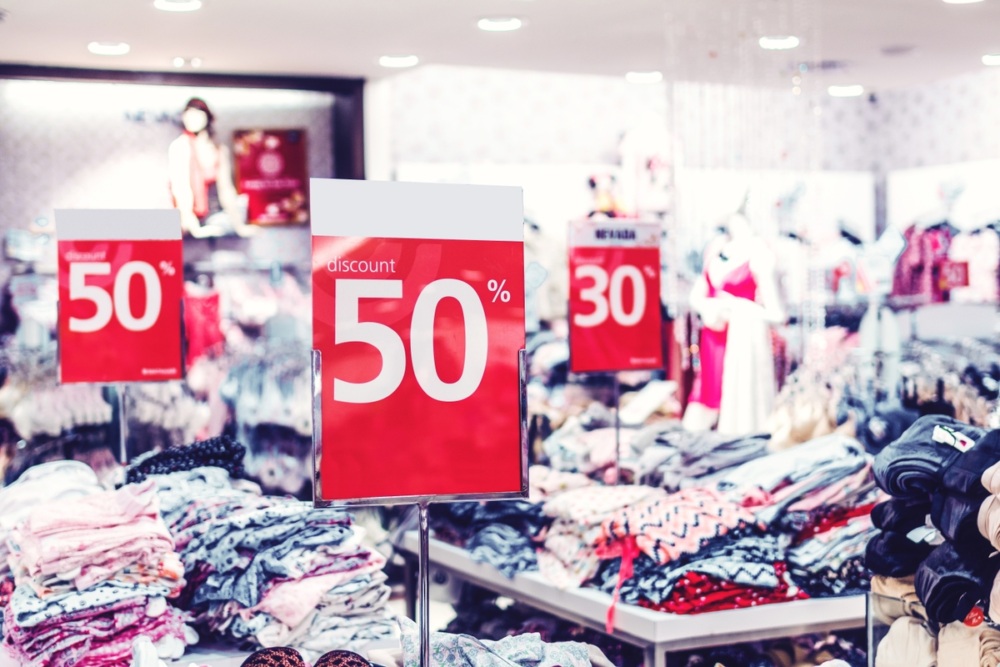
The typical American made almost ten impulse purchases per month and spent approximately $282 monthly on products not included in their budget for 2024, according to Capital One Shopping Research. This means that every person loses about $3,300 annually on goods bought spontaneously. Stores use years-long behavioral research to influence consumers, leading them to act on autopilot. Once aware of the techniques, consumers become resistant.
In essence, there are six basic ways used by stores to convince people to buy more than originally intended: strategic store layout forcing visitors to encounter high-margin goods, anchor pricing turning $80 into a bargain next to $200, artificial scarcity, end-cap merchandising selling products eight times faster than regular shelving, sensory persuasion using smell and music tempo, and digital dark patterns creating an online copy of each in-store tactic. Learning all six takes about 20 minutes. Recovering losses ranging from $1,000 to $2,000 requires using the knowledge during the next shopping trip.
Store Layout Is an Engineered Obstacle Course
Store layout, including aisles and departmental arrangement, is designed to keep customers longer in stores and expose them to high-margin products prior to purchasing whatever they need. This is not a conspiracy. There is scientific evidence that optimizing store layout could increase profits by up to 13.71% compared to traditionally-designed retail locations, according to a scientific article published by Martech Zone.
This is why the milk is located far from the entrance. This is why bread, eggs, and fruits and vegetables occupying an essential place in weekly purchases are dispersed on different ends of the floor plan. A customer coming to Walmart or Kroger to purchase three goods and heading to each department without following the recommended path spends $23. One who follows the store layout spends $61. In terms of design science, the layout of stores determines the path a visitor takes. The path leads to purchases.
As for end-cap merchandising, it refers to placing products on the shelves positioned at the end of each aisle. According to National Retail Hardware Association, products displayed on the end-caps sell eight times faster compared to the same products placed anywhere else in a retail location. The psychological principle behind the tactic is availability. By seeing an item on such a prominent spot, a person considers it a must-buy, a good deal, or something fresh and new, although none of this can be true. End-cap displays cost extra money, which is why there are few generic brands there.
Finally, the checkout aisle plays an essential role in the process of persuading consumers to buy more than intended. Each item close to the register has met a conversion criterion. For example, $3 candies, $7 lip balms, and a $12 phone cable all require a consumer not to think but to make a purchase. Waiting forces attention, attention triggers desires, and the low price removes barriers to buying. Hence, each checkout aisle represents a series of minor transactions consumers cannot resist.
Anchor Pricing Makes Expensive Things Feel Cheap
Anchor pricing is probably the most powerful yet little-known technique used by retailers to persuade consumers to purchase more expensive goods under the guise of discounts. As soon as the department store puts a $350 coat with a sticker that says it is available for $175 on a display, consumers do not compare the price to their budgets. Instead, they compare the discounted price to the initial one and consider the purchase worth its while. The $350 initial price is called the anchor that frames a transaction.
It is possible that the retailer sets the price intentionally high, trying to make the sale price seem like a bargain. This practice is called the manufacturing of retail price and became the reason for multiple class action lawsuits filed by retailers in several states for false advertising practices. The problem is that these legal battles did nothing except encouraging companies to set the initial price a bit higher and apply a discount afterward.
The three-tier system in which retailers position goods in the wine, electronics, and mattress departments works in the same way. Seeing three options – $300, $700, and $1,400 mattresses – makes a customer consider the middle price range affordable. If the $1,400 product is removed, consumers find the $700 option pricey. Retailers know this and stock the expensive tier primarily to promote the medium one. Thus, the high-end product is sold to push another product line.
I believe many consumers believe they are safe from anchor pricing because they know about it. However, numerous research findings obtained by behavioral economists prove that even knowing about the anchor makes people susceptible to its influence. Hence, the only solution is to use external factors to frame price. For example, what is the price of this product in other retail chains or online stores, how much have I paid for the same product last time, or how much does it cost per unit.
Anchor pricing is more beneficial for retailers when the gap between the initial and sale prices is significant. Meanwhile, comparing the price on my phone prior to making a purchase benefits me because it replaces the retailer-selected frame with an objective market price.
Artificial Scarcity and Urgency Tactics
The concept of scarcity is genuine and works well in certain markets. For instance, a flight with three empty seats, hotel rooms with one booking left, or concert tickets with limited access mean that a product is really scarce. Nevertheless, this signal has been borrowed and used in other situations where the scarcity of goods is fictional, making the consumer purchase products quickly to avoid missing an opportunity.
Such techniques include messages telling consumers that something is available only for today, there are only three left in stock, the product has limited availability, or it should be purchased before a certain date and hour. All these prompts, including a red clearance sticker, create a feeling of urgency, making a consumer buy a product without thinking. Retailers know that FOMO works better than anything else to drive sales.
Research supports this point. According to studies conducted by behavioral economists, consumers assign higher value to products that have limited availability compared to those with ample supply even though nothing changes but consumers’ perception. To combat artificial scarcity, a person should simply stop and ask: what will happen if I miss this deal? In most cases, one would receive the same item in a week at the same price as before.
Sensory Manipulation: Music, Scent, and Lighting
Grocery stores circulate bread and coffee scents through the ventilation systems. The tempo of music played in a store is synchronized with your pace. A special amber-colored light in bakeries makes food look freshly baked. It might seem odd, but each of these tactics has proven to influence purchasing behavior.
According to the Journal of Consumer Research, slow music playing in retail stores increased sales volume by up to 38% due to slowing down the customers’ walking pace and making them stay longer and buy additional items. Fast music in fitness clubs makes clients work out harder, while slow music in supermarkets prolongs the period clients spend looking at the shelves.
Smelling is considered the most immediate sense that affects consumers since it bypasses the cognitive functions of our brain and triggers emotions and memories. Scents such as bread smell trigger the appetite and purchase intent despite your hunger and needs in the product. This is why Walmart and Costco make sure the bakery smell reaches the high-traffic entrance area of their stores.
A special color temperature in fitting rooms of clothing retailers enhances the perception of their goods. A pair of jeans illuminated with a flattering light will attract customers and generate a sale, even if the very same jeans will not be so attractive under harsh light. When you examine the product, you imagine how it looks on you under these lights.
Online Dark Patterns Mirror Every In-Store Trick
All tactics that influence consumers in brick-and-mortar shops have their counterparts in online commerce. Additionally, online purchasing opened several new fields where manipulative marketing strategies work. According to the Invesp consumer research, 72% of customers make unplanned purchases in offline shopping venues, but 37% are more prone to impulsive decisions while shopping online because of the lack of effort involved.
Amazon’s “Frequently bought together” section is an example of an end cap placed in online retailing. The “one-click purchasing” eliminates all friction points that can distract you. The “add on items” is the online equivalent of the candy bar racks. The “Limited stock” sign creates an illusion of scarcity. Finally, a personalized recommendations engine suggests products you are likely to purchase.
Dark patterns used in e-commerce include checked subscriptions, confusing cancellation options, and dominant “add to cart” button and barely noticeable “no thanks” option in a different place. In 2025 and 2026, several large retailers faced lawsuits because of dark patterns involving automatic subscriptions initiated without user permission, but the practice is still widely used.
In-store shopping is superior to online purchasing in terms of sensory experience with food, clothing, and other products where such an inspection is critical. Online shopping is easier to control and allows avoiding many manipulative practices. However, you need to take certain steps to avoid them. Use shopping lists and the parking technique to eliminate impulses in e-commerce and follow layout defenses in offline stores.
FAQ: How Stores Trick You Into Spending More
Why do stores put essentials at the back?
Most supermarkets organize the layout of the shop so that essential products such as dairy and bread are located at the farthest point from the entrance. This way, you are forced to pass through other floors where the presence of end caps and seasonally displayed goods creates the conditions for additional impulse purchases. Retail consultants design stores and focus on revenue per square feet, and the placement of essentials is one of the well-tested practices in store management. Pharmacy counters are placed at the rear of the store following the same principle.
What is anchor pricing and how does it affect me?
Anchor pricing involves showing a high reference price along with the current price to create an illusion of discount and prompt clients to buy. Even though people know about this trick, they evaluate the price in relation to the anchor price, not a general market rate. According to the research conducted by behavioral economists including Daniel Kahneman, this tendency persists regardless of awareness. Therefore, you should verify the current price of the same product on competitors’ websites and compare it to the discounted one.
Do loyalty programs actually save you money?
Loyalty programs do not make you save money since you get a discount for the items you were going to purchase anyway and pay extra for items you decide to buy only because of the discount or points you get. Many loyalty programs including Kroger Plus, CVS ExtraCare, and Target Circle actually provide discounts on certain goods. However, the problem here is that personalized offers created by using your purchasing history are specifically designed to encourage impulse buying. Research conducted by NielsenIQ shows that consumers who use loyalty programs spend more money per visit than non-users, even if the difference is covered by discounts the program provides. Take the discount but ignore the offers.
How much does the average person spend on impulse purchases per year?
According to Capital One Shopping Research, the average US shopper spent $282 per month on unplanned purchases in 2024, or $3,300 per year. This figure includes both in-store and online shopping. The monthly amount differs greatly depending on income level and purchasing frequency, yet it is always underestimated by consumers when talking about impulse expenses. That is why the number calculated on the basis of purchase data is greater than self-reported figures. Most consumers underestimate their impulse expenses by an average of $80-$120 per month.
What to Do in the Next 24 Hours
Before going shopping, make a detailed list of goods you intend to buy. Do not use categories such as “need snacks,” but specify exact products (“two packages of granola bars”) to close the decision before you start browsing. NielsenIQ studies show that shoppers using written lists spend 23% less money than non-list users.
During your next e-shopping, stop before checking out and park your cart for 24 hours. Then, remove everything from the cart that was not on your initial purchase list. Chances are high that the items you still want to purchase the next day are really worth buying. The other items were added in the heat of moment under the influence of recommendations.
The companies investing millions of dollars into research aimed at increasing profit from your purchases are not your rivals. They are businesses trying to earn money. Yet, it is important to understand the techniques they use and become a tougher target. You can easily save your $3,300 annually with a simple list and a short break.